

Every workplace, whether a busy construction site or a seemingly low-risk office kitchen, carries the potential for exposure to substances that can harm health. The Control of Substances Hazardous to Health regulations, widely known as COSHH, form the cornerstone of workplace health and safety legislation in the United Kingdom, setting out clear legal duties for employers and employees alike. Understanding what COSHH requires (and why it matters) is essential for any organisation committed to protecting its workforce.
Key takeaways
- COSHH regulations establish the legal framework in the UK for managing and controlling hazardous substances across various industries.
- Employers hold the primary legal responsibility to assess risks, implement control measures, and provide adequate staff training.
- Hazardous substances encompass a wide range of materials, including chemicals, fumes, dust, and biological agents, which can cause significant physical or internal harm.
- A formal risk assessment is a mandatory process used to identify potential exposure routes, such as inhalation or skin contact, and determine necessary safety actions.
- Effective risk management prioritizes the elimination or substitution of dangerous materials, followed by engineering controls and the use of personal protective equipment.
- Continuous monitoring, health surveillance, and a strong culture of safety are essential to prevent long-term occupational illnesses and comply with legal requirements.
What COSHH Means for Employers and Their Legal Duties
COSHH stands for the Control of Substances Hazardous to Health, a framework that governs how businesses must manage the risks posed by hazardous substances in the working environment. All employers across the UK are required to comply with these regulations, regardless of the size of their organisation, with only very limited exemptions such as domestic premises. The regulations place the primary burden of responsibility firmly on the employer, who must assess, control, and monitor risks from harmful substances, plan for emergencies, and ensure that staff receive adequate training.
The range of substances covered under COSHH is broader than many people realise. It encompasses liquids, solids, fumes, dust, mists, gases, vapours, and biological agents, meaning that industries as varied as manufacturing, cleaning, food preparation, and healthcare all fall within its scope. Certain jobs, such as those in quarries or factories, carry obvious chemical hazard risks, yet roles like cleaning or food handling involve equally significant exposures that are sometimes overlooked. Hazardous substances can damage the skin, lungs, genes, and internal organs, and some carry risks of combustion or explosion.

Identifying Hazardous Substances in the Workplace
The first step towards COSHH compliance is identifying which substances employees may encounter. Safety data sheets, supplied by manufacturers and chemical distributors, are an invaluable starting point. These documents detail the nature of a substance, its chemical hazard symbols, and the precautions required when handling it. There are nine primary COSHH hazard symbols in common use, covering categories such as toxic, corrosive, oxidising, and long-term health hazards. Understanding these symbols helps workers and managers alike to make informed decisions about the controls needed. Currently, around 500 hazardous substances have established workplace exposure limits, providing a benchmark for acceptable levels of exposure.

Carrying out a coshh risk assessment
A COSHH risk assessment is the formal process by which employers identify potential exposures, evaluate the harmful effects of each substance, pinpoint the roles and activities most at risk, and determine what action is required. This assessment should consider how a substance might enter the body (whether by inhalation, skin contact, ingestion, or through cuts) since each route of entry carries different implications for occupational health risks. The assessment must be reviewed regularly and updated whenever working practices or substances change.
How coshh compliance protects workers day to day
Moving beyond paperwork, the practical value of COSHH lies in the day-to-day controls that reduce worker exposure to harmful substances. The human cost of inadequate management is significant: thousands of workers in the UK develop work-related illnesses each year, with lung diseases and workplace illness prevention remaining a major concern across sectors. Breaching COSHH regulations can expose employers to unlimited financial penalties, making regulatory compliance not only a moral duty but a sound business decision.
Control measures and safe handling practices
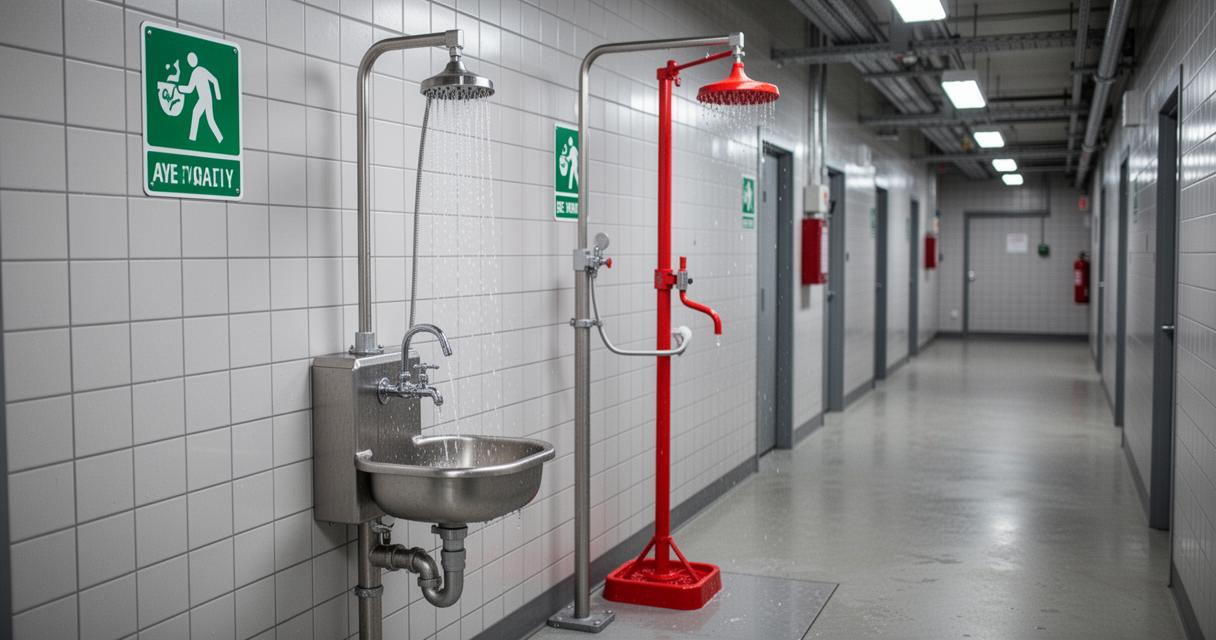
Effective control of substances begins with elimination or substitution, replacing a hazardous chemical with a safer alternative wherever possible. Where this is not practicable, engineering controls such as ventilation systems and enclosed processes should be the next line of defence. Toxic fume control, for example, is critical in industries such as welding or soldering, where airborne contaminants can cause serious respiratory harm over time. Only when other measures are insufficient should personal protective equipment be relied upon, including respiratory protective equipment for tasks that generate airborne hazards. Employers must ensure that all PPE provided is appropriate, well-maintained, and correctly used.
Monitoring, health surveillance and staff training
COSHH does not end once controls are in place. Employers must monitor the effectiveness of those controls and, in certain circumstances, carry out health surveillance to detect early signs of work-related ill health. Industrial safety management demands a culture of ongoing vigilance, supported by clear emergency procedures that all employees understand and can act upon. Staff training is equally central: workers need to understand the hazards they face, the controls in place, and how to use protective equipment correctly. Good workplace hygiene (including handwashing, avoiding eating in work areas, and proper disposal of contaminated materials) completes the picture of a workplace genuinely committed to health and safety regulations and the wellbeing of its people.