
The Mediterranean region harbours a remarkable diversity of plant life, shaped by millennia of adaptation to a unique climatic pattern of hot, dry summers and mild, wet winters. From the coastal cliffs swept by salty breezes to the rocky inland hillsides rising towards distant peaks, the landscape presents a tapestry of botanical wonders waiting to be discovered. For those keen to explore this natural heritage, understanding the distinctive features and distribution patterns of these species transforms a simple walk into an enriching journey of discovery. Whether you are an experienced botanist or a curious nature enthusiast, developing your skills in recognising these plants deepens your connection to the extraordinary ecosystems that define this ancient landscape.
Distinctive physical characteristics of mediterranean flora
Mediterranean vegetation exhibits a remarkable array of physical traits that reflect countless generations of adaptation to challenging environmental conditions. These characteristics serve as reliable indicators when attempting to identify species in the field, offering visual and tactile clues that distinguish one plant from another. The ability to recognise these features provides the foundation for any mediterranean plant species identification guide, enabling observers to classify and appreciate the botanical diversity surrounding them.
Leaf Structure and Adaptations to Mediterranean Climate
The leaves of Mediterranean plants reveal perhaps the most telling adaptations to the region's distinctive climate. Many species have evolved small, tough leaves with thick cuticles that minimise water loss during the scorching summer months when rainfall becomes scarce. This leathery texture, common among shrubs such as myrtle and various species of cistus, allows plants to conserve precious moisture whilst maintaining photosynthetic activity. Some species take this strategy further by developing aromatic oils within their leaf tissues, creating a fragrant barrier that not only deters herbivores but also reflects intense sunlight, reducing heat absorption.
Other plants adopt a silvery or greyish appearance through the presence of fine hairs or a waxy coating on their leaf surfaces. These features scatter incoming light and create a boundary layer of still air that reduces evaporation. The characteristic grey-green hues of olive trees and lavender exemplify this adaptation, giving Mediterranean landscapes their distinctive palette. In contrast, certain species favour needle-like or highly dissected leaves that reduce surface area exposed to drying winds, a strategy employed by various pines and members of the carrot family that thrive in the region.
Flowering patterns and growth habits across seasons
The flowering calendar of Mediterranean plants follows a rhythm dictated by water availability and temperature patterns. Many herbaceous species burst into bloom during the spring months when winter rains have replenished soil moisture and temperatures begin to rise. This creates spectacular displays of colour across meadows and hillsides, with orchids, poppies, and numerous daisy relatives competing for the attention of pollinators. These fleeting shows often last only a few weeks before the intensifying heat and drought force plants into dormancy, leaving seeds to weather the harsh summer.
Shrubby species often adopt different strategies, with some flowering in late spring or early summer, producing blossoms that can withstand drier conditions. The timing and duration of flowering provide valuable identification markers, as does the structure of the flowers themselves. Many Mediterranean plants produce blooms rich in nectar to attract bees, butterflies, and other pollinators essential to their reproduction. Growth habits also vary considerably, from low cushion-forming plants that hug the ground to avoid wind damage, to taller shrubs and small trees that compete for light in denser vegetation communities. Observing whether a plant grows as a solitary specimen or forms colonies, whether it maintains foliage year-round or sheds leaves seasonally, and how it responds to grazing or fire all contribute to accurate identification and understanding of its ecological role.
Regional distribution and habitat preferences
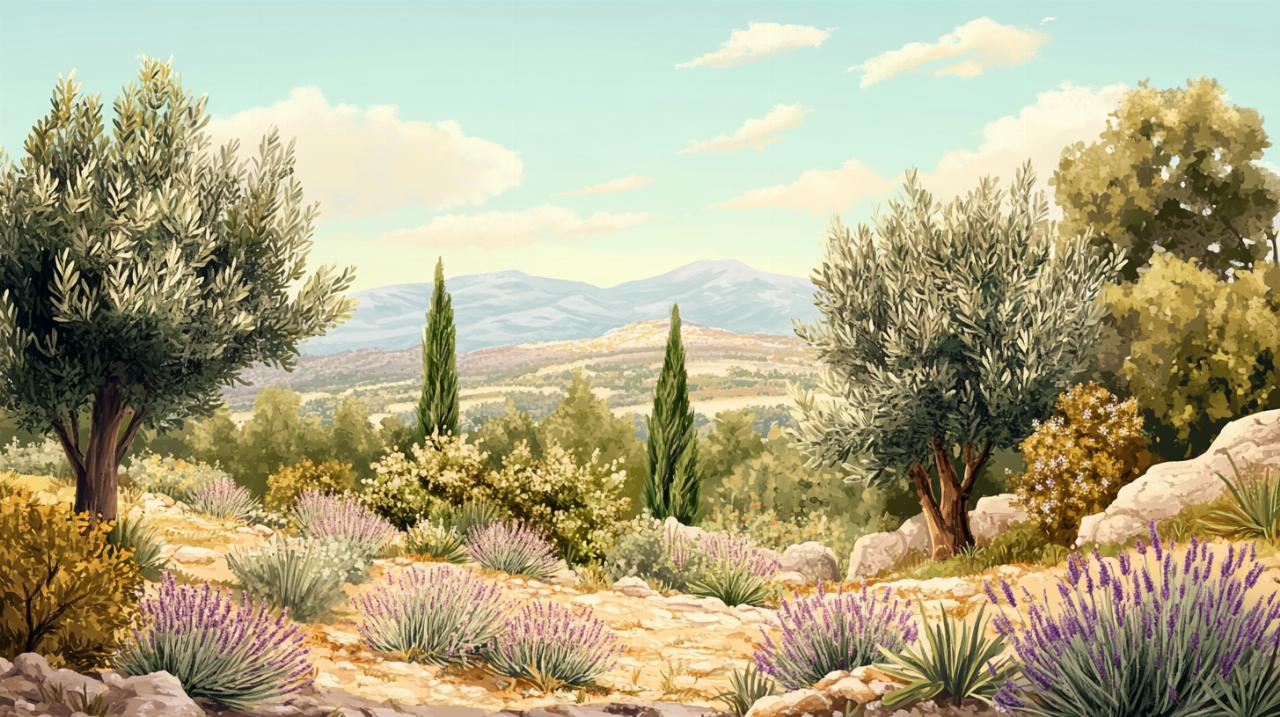
Understanding where particular species thrive within the Mediterranean basin requires consideration of both broad geographical patterns and local environmental factors. Whilst the region shares common climatic characteristics, variations in geology, altitude, and proximity to the sea create diverse microhabitats that support distinct plant communities. Recognising these patterns enhances identification skills and reveals the intricate relationships between plants and their surroundings.
Coastal vegetation zones and salt-tolerant species
The narrow strip of land immediately adjacent to the Mediterranean coastline experiences conditions markedly different from inland areas. Salt spray carried by onshore winds, sandy or rocky substrates with limited water retention, and intense exposure to sun and wind create a challenging environment that only specially adapted plants can colonise. Species found in these coastal zones often display fleshy, succulent leaves that store water and tolerate high salt concentrations in their tissues. Sea lavender and various species of sea kale exemplify this adaptation, their distinctive appearance making them relatively straightforward to identify.
Moving slightly inland, one encounters the maquis or macchia vegetation, a dense shrubland dominated by aromatic evergreen species that can tolerate salt-laden air but benefit from slightly deeper soils and reduced direct exposure. This zone often features wild rosemary, juniper, and mastic trees, creating impenetrable thickets that provide habitat for numerous bird and insect species. These coastal plant communities play vital roles in stabilising dunes and cliffs, preventing erosion whilst supporting rich biodiversity. Their tolerance for salt makes them invaluable indicators of proximity to the sea, and their presence signals specific environmental conditions that shape the composition of surrounding vegetation.
Inland mediterranean plants and elevation variations
As one travels away from the coast and gains altitude, the character of Mediterranean vegetation shifts in response to changing conditions. Inland areas typically experience greater temperature extremes between summer and winter, with cooler nights and occasional frosts at higher elevations. Rainfall may increase slightly with altitude, and soils often develop greater depth and organic content. These factors favour different plant assemblages, with certain oak species, strawberry trees, and various members of the pea family becoming more prominent.
In mountainous regions of the Mediterranean basin, vegetation zones stratify according to elevation. Lower slopes might support garrigue, a more open shrubland punctuated by aromatic herbs such as thyme, sage, and oregano, interspersed with grasses and spring-flowering bulbs. Ascending further, one may encounter woodlands of holm oak or Aleppo pine, species adapted to survive on rocky, well-drained slopes. At the highest elevations within the Mediterranean climatic zone, communities of cushion plants and alpine specialists appear, their compact growth forms protecting them from fierce winds and allowing them to survive brief growing seasons. Understanding these elevation-related patterns provides context for plant identification, as certain species reliably indicate particular altitudinal bands and help observers predict which other plants might be found nearby. This knowledge transforms plant identification from an isolated exercise into a holistic understanding of Mediterranean ecosystems and the myriad ways in which plants have evolved to thrive within them.