
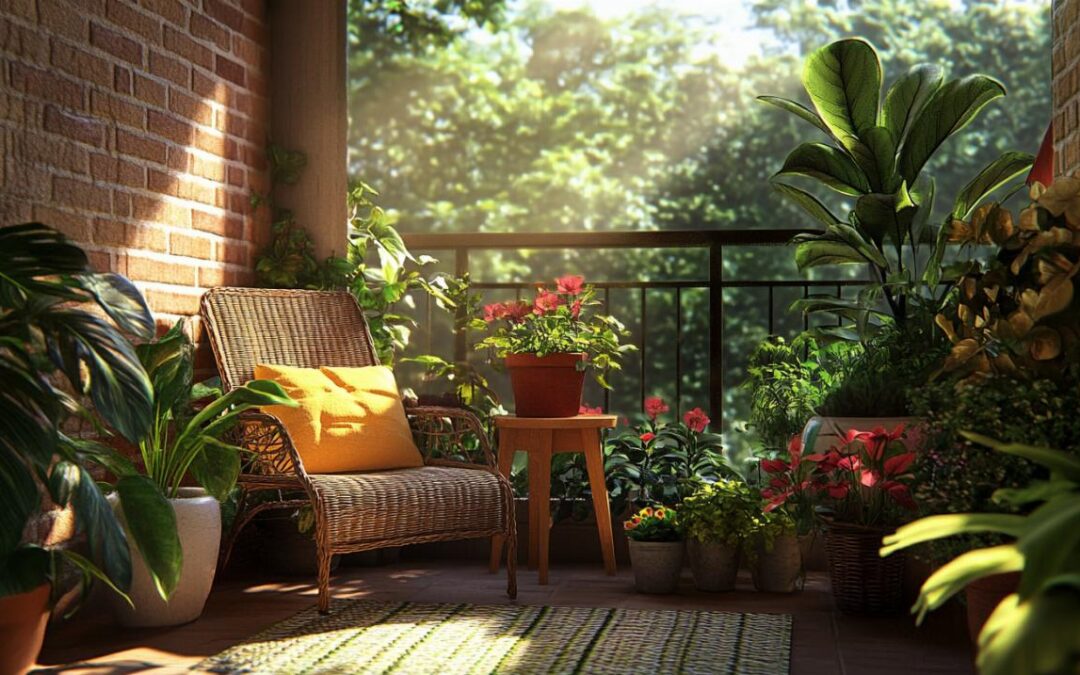
Transforming a modest balcony or patio into a verdant retreat might seem a daunting task, particularly when space is limited and time for upkeep scarce. Yet with thoughtful plant choices and clever design strategies, even the smallest outdoor nook can become a flourishing haven. This guide explores how to cultivate a beautiful, low-maintenance garden that thrives in compact urban settings, offering practical insights for anyone eager to embrace the joys of greenery without the burden of constant care.
Essential Low-Maintenance Plants for Compact Balconies and Patios
Selecting the right plants is the cornerstone of a successful small-space garden. The key lies in choosing varieties that not only tolerate confined conditions but also demand minimal intervention once established. For those new to balcony gardening, herbs such as basil, mint, parsley, and chives prove remarkably forgiving. These aromatic stalwarts adapt well to container life and reward even novice gardeners with fresh flavour throughout the growing season. Beyond the kitchen garden, hardy flowering specimens like marigolds, petunias, and nasturtiums bring vibrant colour while asking for little more than occasional watering and deadheading. For anyone inspired to explore more design ideas and practical solutions for compact spaces, visit casa maribona blog for a wealth of information on creating inviting outdoor environments.
When planning your planting scheme, consider the unique microclimate your balcony creates. Sunlight exposure, wind patterns, and temperature fluctuations all influence which plants will flourish. Most edible crops require between four and six hours of direct sunlight daily, making them ideal for south or west-facing spots. However, those blessed with shadier aspects need not despair. Leafy greens such as spinach and lettuce tolerate lower light levels admirably, while certain herbs including mint, chives, and parsley perform respectably in partial shade. This adaptability makes them perfect candidates for north-facing balconies where sun is at a premium.
Drought-tolerant varieties perfect for small containers
Water conservation becomes both a practical necessity and an environmental virtue when gardening in small spaces. Drought-tolerant plants offer an elegant solution, thriving despite irregular watering schedules and reducing the overall maintenance burden. Succulents stand out as exceptional performers in this regard, their fleshy leaves storing moisture to sustain them through dry spells. These architectural plants bring sculptural interest to container arrangements whilst demanding remarkably little attention. Similarly, many Mediterranean herbs such as thyme, rosemary, and oregano evolved in arid climates, making them naturally suited to life in well-drained pots where soil dries quickly between waterings.
Container selection plays a crucial role in supporting drought-tolerant species. Terracotta pots, whilst charming and breathable, can accelerate moisture loss through their porous walls. Plastic planters retain water more effectively, though they lack the aesthetic appeal of natural materials. For those seeking a middle ground, glazed ceramic containers combine visual interest with better moisture retention. Regardless of material choice, adequate drainage remains paramount. Waterlogged roots spell disaster for drought-adapted plants, so ensure every container features sufficient drainage holes and consider elevating pots slightly to promote airflow beneath.
Evergreen options that thrive in limited spaces
Creating a balcony garden that maintains visual appeal throughout the year requires incorporating evergreen elements into your planting scheme. These steadfast performers provide structure and continuity when seasonal bloomers fade, preventing the garden from looking bare during colder months. Compact evergreen shrubs such as dwarf conifers, box, and euonymus adapt well to container culture, their dense foliage offering year-round interest without demanding excessive space. Small ornamental grasses also merit consideration, their graceful movement adding dynamism whilst requiring minimal upkeep beyond an annual trim.
For those willing to embrace slightly larger specimens, the Betula trees featured in Japanese-inspired garden designs demonstrate how even compact spaces can accommodate woody plants with careful selection. The key lies in choosing naturally small varieties or those amenable to regular pruning. Establishing an evergreen base layer creates a verdant backdrop against which seasonal highlights can shine, lending the garden a sense of permanence and maturity even in its early years. This approach echoes advice from experienced garden designers who emphasise the importance of not shying away from larger plants despite limited square footage, as these provide instant impact and establish the garden's framework.
Practical design strategies for minimalist balcony gardens
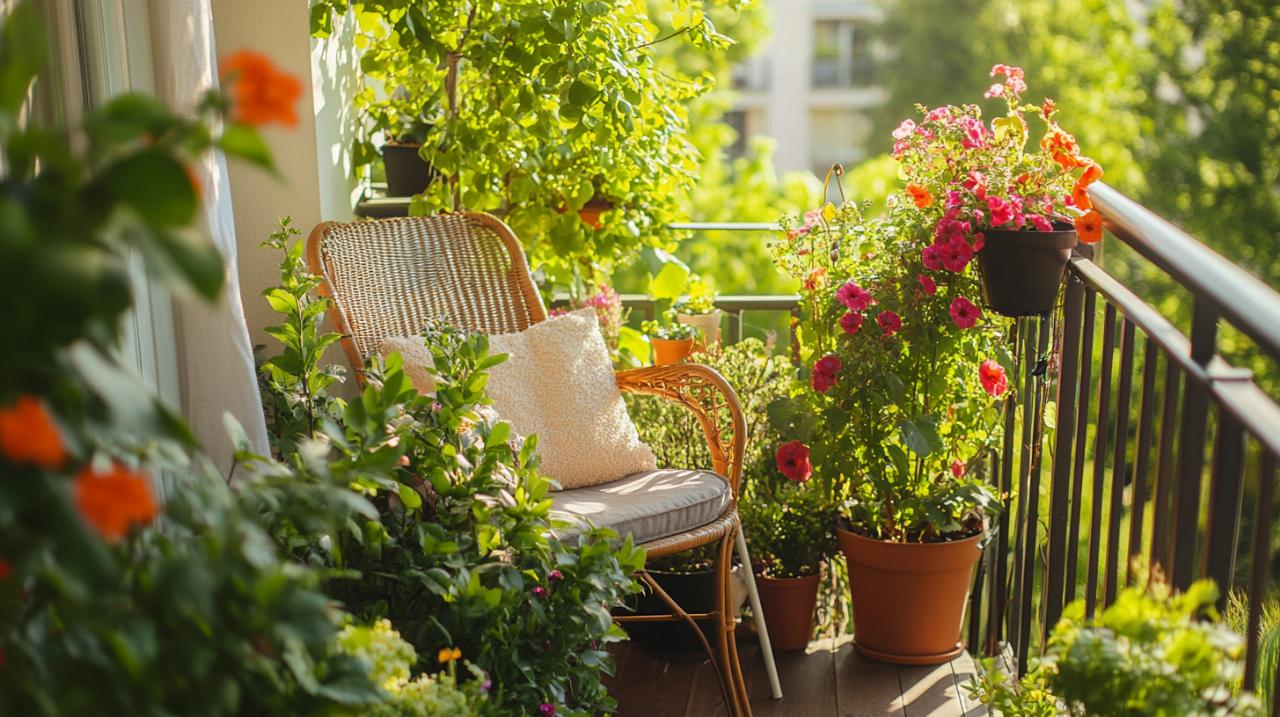
Successful balcony gardening extends beyond plant selection to encompass thoughtful spatial planning and design execution. The goal is to create an outdoor room that feels neither cramped nor cluttered, balancing lush planting with sufficient breathing space. Begin by assessing your balcony's weight restrictions, particularly important for upper-storey locations where structural limits may constrain your ambitions. Lightweight growing media prove essential in these situations. A recommended soil mix combines forty per cent coco peat or peat moss with thirty per cent compost, twenty per cent perlite or coarse sand, and optionally ten per cent vermicompost. This blend provides excellent drainage and aeration whilst remaining substantially lighter than traditional garden soil.
Strategic container arrangement transforms a collection of pots into a cohesive garden composition. Rather than lining identical containers along the balcony edge, create visual interest through varied heights and groupings. Elevate some planters on stands or upturned pots to introduce vertical dimension, whilst clustering smaller specimens together for impact. This technique not only enhances aesthetics but also offers practical benefits, as grouped plants create their own microclimate with increased humidity and mutual wind protection. Limiting your planting palette to a considered selection of colours and textures prevents visual chaos, allowing each element to shine whilst maintaining overall harmony.
Vertical growing solutions to maximise limited square footage
When ground space proves insufficient, look skyward. Vertical gardening techniques unlock the potential of walls, railings, and other upright surfaces, dramatically increasing the available growing area without expanding the balcony's footprint. Wall-mounted planters, hanging baskets, and purpose-built vertical shelving systems transform previously unused vertical real estate into productive growing zones. These solutions prove particularly valuable for trailing plants and cascading flowers, which create living curtains of foliage and bloom when suspended at eye level or above.
Before installing any vertical elements, verify your building's regulations regarding what may be affixed to balcony structures. Some properties impose restrictions on drilling into walls or hanging items from railings, necessitating freestanding solutions instead. Lightweight trellis panels positioned in large planters offer an alternative, supporting climbing specimens such as runner beans or sweet peas whilst remaining entirely portable. For those blessed with more flexibility, dedicated green wall systems with integrated irrigation can transform an entire balcony face into a verdant tapestry, though such installations require more substantial investment and planning than simpler approaches.
Smart container selection and arrangement techniques
The vessels housing your plants wield considerable influence over both practical growing conditions and visual cohesion. Rather than accumulating a mismatched collection of pots, invest in a few substantial statement containers that anchor the design. These larger vessels provide greater soil volume, buffering plants against rapid temperature fluctuations and drying out less quickly than their diminutive counterparts. Generous root space enables more vigorous growth, allowing you to cultivate specimens that might otherwise struggle in confined quarters.
Self-watering systems embedded within containers offer a boon to busy gardeners or those who travel frequently. These ingenious designs incorporate a reservoir beneath the growing medium, from which plants draw moisture as needed through capillary action. The result is more consistent hydration with less frequent intervention, reducing the risk of both drought stress and overwatering. For balconies without convenient outdoor water access, such systems prove particularly valuable, minimising the need for countless trips indoors to refill watering cans. Pairing these practical containers with thoughtful arrangement creates a garden that functions beautifully whilst remaining manageable within the constraints of modern urban life.